
News writer, Interviewer
Sophisticated syndicates are hunting lottery jackpots with mathematical precision and deep pockets. States are fighting back.
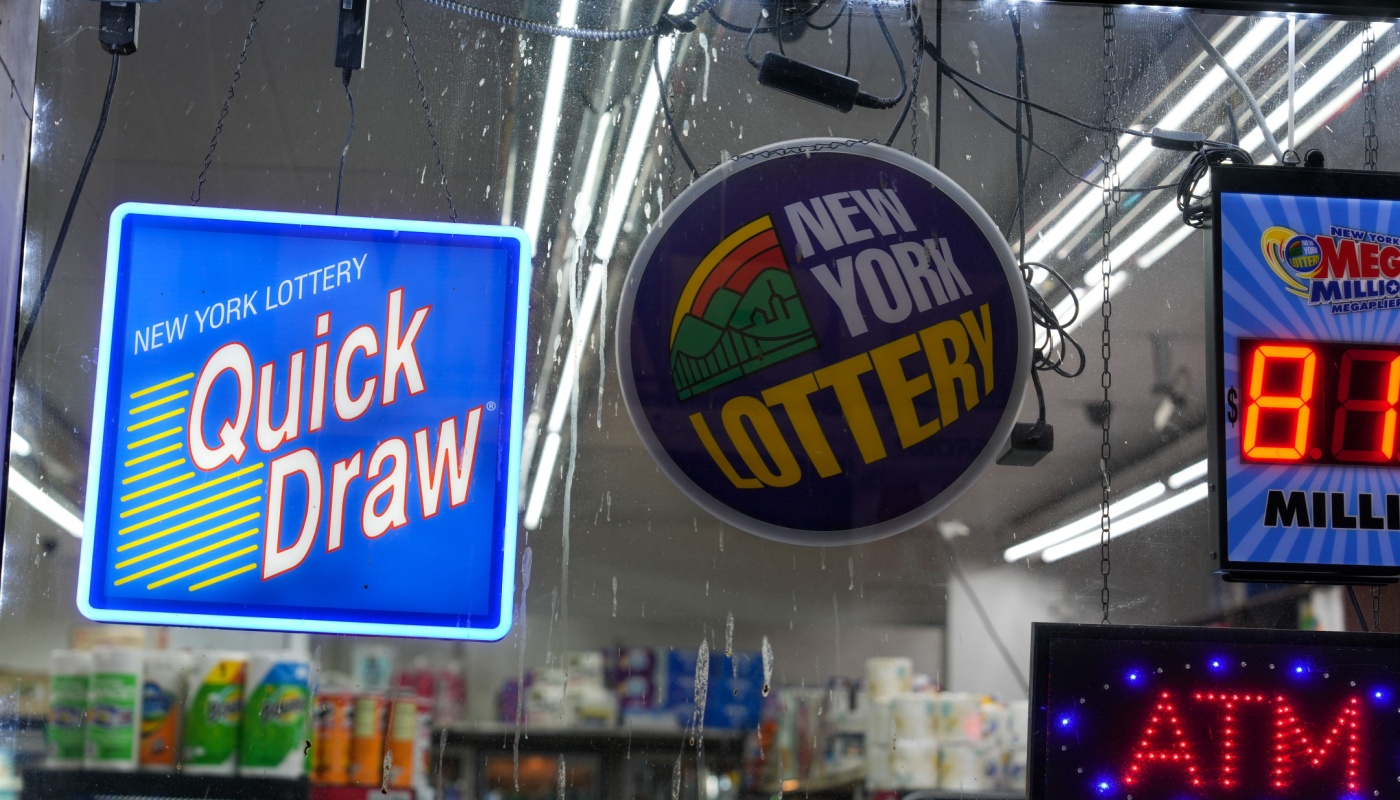
New York is one step closer to banning bulk lottery ticket purchases. But the Empire State isn't alone in this battle against professional gambling operations that treat lotteries like investment opportunities.
The New York Gaming Commission voted Monday to prohibit "bulk buying" of lottery tickets. The unanimous decision targets the kind of syndicate operation that walked away with $95 million in Texas last year.
The proposed regulations would prohibit:
- Attempts to buy all or substantial shares of ticket combinations in draw games.
- Purchasing all tickets in an instant game.
- Wire or electronic transfers for bulk purchases.
- Collaboration in bulk-purchase schemes.
The new lottery hunters
These aren't casual players hoping for luck. They're data-driven operations that analyze odds, target vulnerable games, and deploy massive purchasing power.
Take Pennsylvania LLC Friendly Enterprise. They studied Oklahoma's Limited Edition Deluxe Gold game until they found their opening: only 15% of tickets remained while $5 million in prizes went unclaimed. The result was collecting $5,028,000 in a single day.
Another Pennsylvania entity, Breezy Legs, claimed $1.3 million on Philadelphia scratch-offs in June, then grabbed $1 million weeks later. Idaho officials reported Breezy Legs "visited every corner of Idaho looking for available tickets."
Some call it "lottery tourism."
Cross-state hunting grounds
Professional lottery hunters don't respect borders. They scan the entire country for games where remaining prizes exceed bulk purchase costs.
Pennsylvania LLCs hit Oklahoma jackpots. Europeans target Texas drawings. International syndicates probe New Zealand's Powerball. For states, games designed for local players become hunting grounds for out-of-state professionals.
States seek solutions
New York's new rules prohibit attempts to buy substantial shares of ticket combinations and ban collaboration in bulk-purchase schemes. Vendors must report suspicious activity.
Arizona capped daily Fast Play purchases at $50,000. Exceed that? Your winnings are disqualified. New Zealand went big, voiding all tickets purchased by international syndicates.
But detection remains challenging. As Lotto NZ's Will Hine noted:
It's generally difficult to detect the acquisition of physical tickets for resale internationally because initial purchases can be made anonymously in-store.
High-tech operations
Modern bulk buyers have industrialized the process. Professional operations gain access to official ticket-printing terminals, generating hundreds of tickets per second. Within days, they cover millions of combinations.
Electronic purchasing, wire transfers, and courier services enable massive acquisitions without physical presence.
What's at stake
Lottery success depends on public belief in fairness. When casual players see mysterious LLCs winning millions, trust erodes.
Arizona Lottery Executive Director Alec Thomson captured the concern:
Our goal is to ensure that every player has a fair chance at winning and that the integrity of our games remains strong.
But states also love lottery revenue. Banning bulk buyers could reduce total sales.
The fundamental question
States face a choice: who are lotteries for? Traditional players buy a few tickets hoping for life-changing luck. Professional syndicates treat lotteries like financial instruments to be exploited. These worldviews can't coexist.
New York Gaming Commission chairman Brian O'Dwyer was direct: bulk purchases "can undermine the public's perception of fairness and randomness in the lottery."
What happens next
The regulatory wave is building. New York's rules will enter public comment before final adoption this fall. Other states are crafting responses. Expect more daily purchase limits, enhanced reporting requirements, and tighter electronic purchasing controls.
The lottery industry stands at a crossroads. Either states control professional bulk buying, or sophisticated syndicates transform lotteries from games of chance into mathematical extraction operations.








Comments